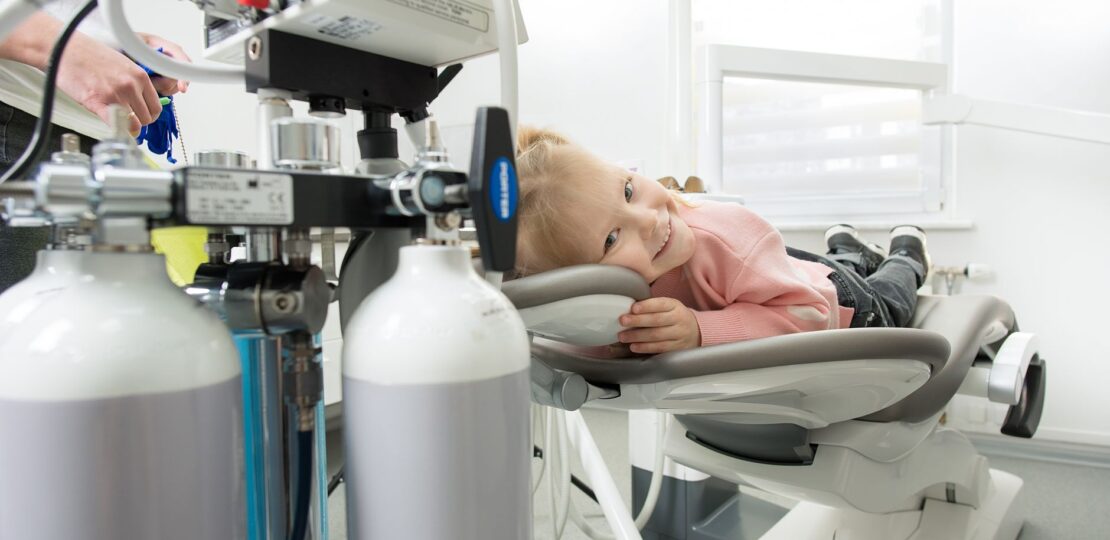
The Digital Transformation of Pediatric Dental Care
South Korea has emerged as a global leader in medical technology innovation, and the field of pediatric dentistry is no exception. In the rapidly developing Geomdan district, children’s dentistry in Geomdan has embraced cutting-edge digital tools and cloud-based systems that are revolutionizing how young patients receive dental care. This transformation reflects a broader trend in Korean healthcare where technology and patient-centered approaches converge to create superior outcomes.
The integration of advanced technology in children’s dentistry serves multiple purposes: reducing anxiety in young patients, improving diagnostic accuracy, and creating more efficient practice management systems. As healthcare continues its digital evolution, pediatric dental practices in areas like Geomdan are setting new standards for what modern dental care should look like.
Cloud-Based Patient Management Systems
One of the most significant technological advances in children’s dentistry involves cloud-based practice management software. These systems allow dental practices to store patient records, treatment histories, appointment schedules, and imaging data securely in the cloud rather than relying on traditional paper files or local servers.
For parents, this means seamless access to their child’s dental records from any location. If a family relocates or needs to consult with a specialist, comprehensive dental histories can be shared instantly with appropriate authorization. Cloud systems also enable automated appointment reminders sent via text or email, reducing missed appointments and helping busy families stay on top of their children’s preventive care schedules.
From the practitioner’s perspective, cloud-based systems offer real-time collaboration capabilities. Multiple specialists can review cases simultaneously, and dental teams can access patient information from different treatment rooms or even remote locations. This infrastructure supports the kind of coordinated, multidisciplinary care that complex pediatric cases sometimes require.
Digital Imaging and 3D Technology
Traditional dental X-rays are being rapidly replaced by digital radiography and 3D imaging systems in progressive pediatric practices. These technologies offer several advantages particularly relevant to treating children. Digital X-rays emit up to 90% less radiation than conventional film X-rays, addressing parental concerns about radiation exposure during developmental years.
Intraoral cameras allow dentists to show children and parents exactly what they’re seeing in real-time on large monitors. This visual communication tool helps young patients understand why certain treatments are necessary, transforming abstract concepts into concrete images they can comprehend. When a child can see the cavity on screen, they’re more likely to understand the importance of proper brushing and dietary habits.
Three-dimensional cone beam computed tomography (CBCT) has become increasingly valuable for complex cases involving orthodontic planning, impacted teeth, or developmental abnormalities. The detailed 3D models generated by these scans can be integrated with CAD/CAM systems to design custom orthodontic appliances or surgical guides with unprecedented precision.
Gamification and Anxiety Reduction
Recognizing that dental anxiety often begins in childhood, innovative practices are incorporating technology specifically designed to make visits less stressful. Virtual reality headsets transport children to engaging digital environments during procedures, effectively distracting them from the clinical setting. Some practices have installed ceiling-mounted screens that play movies or educational content, giving young patients something positive to focus on while in the dental chair.
Mobile applications connected to practice management systems allow children to track their dental health progress through gamified interfaces. They can earn points for consistent brushing, maintaining good oral hygiene, or arriving on time for appointments. These digital reward systems tap into the same engagement mechanisms that make video games compelling, but channel that motivation toward positive health behaviors.
Teledentistry for Preventive Care
The COVID-19 pandemic accelerated the adoption of teledentistry, and this technology has proven particularly valuable for pediatric preventive care and follow-up consultations. Parents can schedule virtual check-ins to discuss concerns about their child’s dental development, get guidance on managing a knocked-out tooth before reaching the office, or receive post-treatment follow-up care without the logistical challenge of bringing children to the clinic.
For families in busy urban districts or those balancing multiple children’s schedules, teledentistry consultations offer convenient access to professional guidance. While they don’t replace hands-on examinations and treatments, they serve as a valuable complement to in-person care, extending the reach of pediatric dental expertise into homes.
AI-Assisted Diagnostics
Artificial intelligence is beginning to play a role in pediatric dentistry, particularly in analyzing radiographic images. AI algorithms trained on millions of dental images can assist in detecting early signs of cavities, developmental abnormalities, or other conditions that might be subtle to the human eye. These systems don’t replace the dentist’s clinical judgment but serve as a second set of eyes, potentially catching issues in their earliest, most treatable stages.
Predictive analytics powered by machine learning can identify children at higher risk for dental problems based on patterns in their health records, family history, dietary information, and other factors. This enables more personalized preventive care strategies, with intensified education and monitoring for high-risk patients.
Integration with Broader Health Records
Progressive healthcare systems are moving toward integrated electronic health records that connect dental, medical, and specialist care. This holistic approach is particularly important for children with complex medical conditions, where oral health intersects with overall health management.
When a pediatric dentist can access a child’s complete medical history, including medications, allergies, and systemic conditions, they can provide safer, more coordinated care. Similarly, medical providers benefit from understanding their patients’ oral health status, as conditions like diabetes, heart disease, and respiratory issues all have connections to dental health.
The Future of Pediatric Dental Technology
Looking ahead, emerging technologies promise to further transform children’s dentistry. Regenerative techniques using stem cells may eventually allow damaged teeth to repair themselves. Advanced biomaterials could lead to restorations that more closely mimic natural tooth structure. Nanotechnology applications might enable targeted antibacterial treatments that prevent cavities without affecting beneficial oral bacteria.
Augmented reality systems could assist dentists during complex procedures by overlaying diagnostic information directly onto their field of view. Robot-assisted procedures might enhance precision for certain treatments, though the human touch and judgment will remain essential, especially when working with anxious children who need reassurance and gentle care.
Choosing Technology-Forward Pediatric Care
For parents evaluating pediatric dental practices, the presence of modern technology often correlates with a commitment to ongoing education and quality care. Practices that invest in digital systems, advanced imaging, and patient communication tools demonstrate a dedication to providing the highest standard of service.
However, technology should enhance rather than replace the fundamental elements of good pediatric dentistry: a gentle chairside manner, clear communication with parents, preventive education, and clinical expertise. The most effective practices blend technological sophistication with the human skills that make children feel safe and valued.
As districts like Geomdan continue to develop, the pediatric dental practices serving these communities are setting benchmarks for how technology can elevate healthcare delivery. By reducing anxiety, improving diagnostic accuracy, streamlining operations, and enabling better coordination of care, these innovations ultimately serve a simple goal: helping children develop healthy smiles that last a lifetime.
RELATED POSTS
View all


Sculptra: The Science of Collagen Stimulation for Long-Lasting Facial Rejuvenation
June 20, 2026 | by thecloudnexus.com