

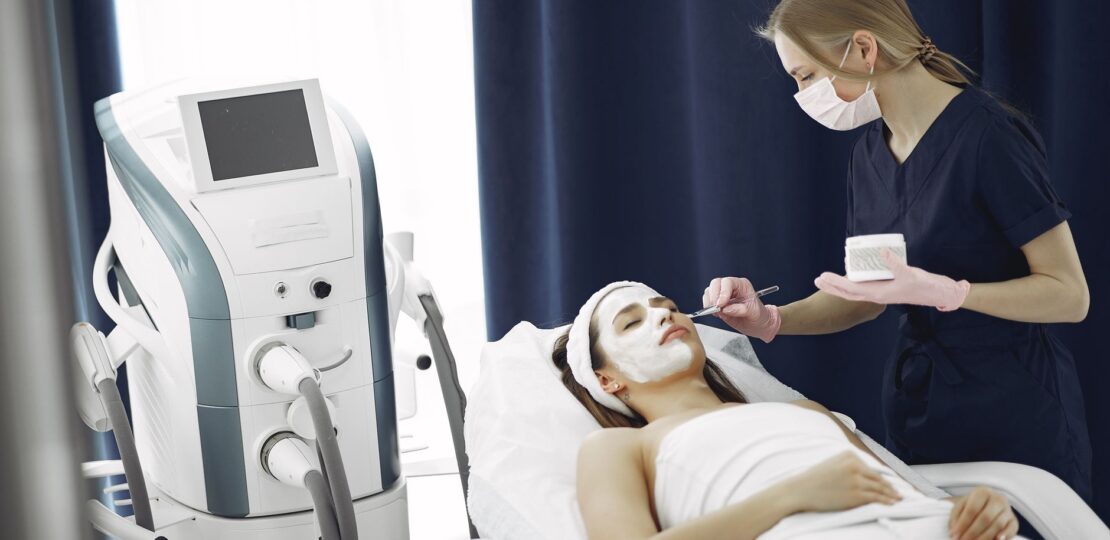
South Korea’s Gangnam district has become synonymous with cutting-edge dermatology and aesthetic medicine, attracting patients from around the globe. What many don’t realize is that the success of a modern Skin Clinic in Gangnam relies heavily on sophisticated digital infrastructure and cloud-based systems that set new standards for the entire healthcare industry.
The Digital Backbone of Korean Skincare Excellence
Gangnam’s skin clinics operate at the intersection of medical expertise and technological innovation. These facilities have embraced cloud computing infrastructure to manage everything from patient records to treatment planning, creating an integrated ecosystem that delivers personalized care at scale.
The typical clinic in this district processes hundreds of consultations daily, requiring robust data management systems capable of handling high-resolution imaging, treatment histories, and real-time appointment scheduling. Cloud-based platforms have become essential, allowing dermatologists to access patient information seamlessly across multiple devices while maintaining strict compliance with healthcare data protection regulations.
Cloud Infrastructure Transforming Patient Experiences
Modern skin clinics in Gangnam have deployed cloud solutions that fundamentally change how patients interact with healthcare providers. Virtual consultation platforms enable international patients to receive preliminary assessments before traveling to Korea, streamlining the medical tourism experience that has become a significant economic driver for the region.
These systems leverage distributed computing resources to process complex dermatological imaging in real-time. Advanced AI algorithms running on cloud infrastructure can analyze skin conditions, predict treatment outcomes, and recommend personalized skincare regimens based on vast datasets accumulated from thousands of previous cases.
Electronic medical record (EMR) systems hosted in secure cloud environments ensure that patient data remains accessible yet protected. Clinics can scale their IT infrastructure dynamically during peak seasons without investing in expensive on-premises hardware, demonstrating the cost-efficiency that cloud adoption brings to healthcare operations.
Integration of Advanced Diagnostic Technologies
Gangnam clinics utilize sophisticated diagnostic equipment that generates massive amounts of data. High-resolution skin scanners, VISIA complexion analysis systems, and 3D facial mapping tools all produce detailed imagery requiring substantial storage and processing capabilities.
Cloud storage solutions enable these facilities to maintain comprehensive visual records of patient progress over years of treatment. Dermatologists can compare before-and-after images with precision, tracking the effectiveness of various procedures and adjusting treatment protocols based on quantifiable results.
The integration extends to treatment devices themselves. Many laser systems and radiofrequency devices now feature connectivity options that log treatment parameters to cloud databases, creating audit trails that ensure quality control and enable continuous improvement in clinical protocols.
Why Gangnam Leads in Medical Technology Adoption
South Korea’s exceptional digital infrastructure provides the foundation for these innovations. The country boasts some of the world’s fastest internet speeds and highest smartphone penetration rates, creating an environment where both providers and patients expect seamless digital experiences.
Government initiatives supporting digital healthcare transformation have accelerated cloud adoption across the medical sector. Regulatory frameworks that balance innovation with patient safety have enabled clinics to experiment with emerging technologies while maintaining high standards of care.
The competitive landscape in Gangnam drives continuous innovation. With hundreds of dermatology and aesthetic medicine clinics concentrated in a small geographic area, differentiation through technology has become a strategic imperative. Clinics that leverage data analytics to personalize treatments and optimize operational efficiency gain significant competitive advantages.
Cross-Platform Integration and Interoperability
Leading skin clinics have moved beyond standalone systems to create fully integrated digital ecosystems. Cloud-based platforms connect appointment scheduling, inventory management, billing systems, and clinical workflows into unified environments that eliminate redundancy and reduce administrative burden.
Application programming interfaces (APIs) enable these systems to communicate with external platforms, from payment processors to pharmaceutical supply chains. When a dermatologist prescribes a specialized skincare product, the order can automatically route to the clinic’s inventory system, trigger reordering when stock runs low, and even provide patients with usage tracking through mobile applications.
This level of integration would be prohibitively complex using traditional on-premises IT infrastructure. Cloud platforms provide the flexibility and scalability necessary to connect disparate systems while maintaining data consistency across all touchpoints.
Data Analytics Driving Treatment Innovation
The accumulation of treatment data in cloud repositories has created unprecedented opportunities for evidence-based medicine. Clinics can analyze outcomes across thousands of patients to identify which treatments work best for specific skin types, conditions, and demographic profiles.
Machine learning models trained on these datasets can predict how individual patients will respond to proposed treatments, reducing trial-and-error approaches and improving first-time success rates. This data-driven methodology represents a paradigm shift from traditional experience-based medical practice to precision dermatology.
Aggregate anonymized data also contributes to broader research initiatives. Academic institutions collaborate with clinic networks to study long-term treatment efficacy, safety profiles of new procedures, and emerging trends in skin health across populations.
Security and Compliance in Healthcare Cloud Systems
The sensitivity of medical data demands robust security measures. Gangnam skin clinics implement enterprise-grade encryption, multi-factor authentication, and regular security audits to protect patient information stored in cloud environments.
Compliance with South Korea’s Personal Information Protection Act (PIPA) and international standards like HIPAA for overseas patients requires careful architecture of cloud systems. Data residency requirements, access controls, and audit logging must all be configured precisely to meet regulatory obligations.
Many clinics partner with healthcare-specific cloud service providers that understand these compliance requirements and provide infrastructure designed specifically for medical applications. These specialized platforms offer additional features like automated backup, disaster recovery, and geographic redundancy that general-purpose cloud services might not emphasize.
The Future of Cloud-Enabled Skincare
Emerging technologies promise to further transform how skin clinics operate. Augmented reality applications could allow patients to visualize treatment outcomes before committing to procedures, with rendering engines running on cloud infrastructure to generate photorealistic simulations.
Telemedicine capabilities continue to expand, potentially enabling dermatologists to monitor patient progress remotely using smartphone cameras and AI-powered analysis tools. These applications rely on cloud computing to process images and deliver diagnostic insights in real-time.
The integration of Internet of Things (IoT) devices presents another frontier. Smart skincare devices used at home could transmit data to clinic cloud systems, allowing dermatologists to track compliance with treatment protocols and adjust recommendations based on actual usage patterns rather than patient self-reporting.
Lessons for Global Healthcare Technology
The success of technology-enabled skin clinics in Gangnam offers valuable insights for healthcare providers worldwide. The combination of clinical expertise, patient-centric design, and robust digital infrastructure creates experiences that attract international patients and set benchmarks for quality care.
Investment in cloud infrastructure should not be viewed as merely an IT expenditure but as a strategic enabler of better patient outcomes and operational excellence. The scalability, flexibility, and analytical capabilities that cloud platforms provide are increasingly essential in modern healthcare delivery.
As medical tourism continues to grow and patients become more digitally savvy, clinics that embrace these technologies position themselves for sustained success. The Gangnam model demonstrates that technology adoption, when executed thoughtfully, enhances rather than replaces the human elements of healthcare that patients value most.
The transformation of skin clinics through cloud computing represents just one example of how digital infrastructure is reshaping healthcare globally. As these technologies mature and become more accessible, providers in every medical specialty and geographic region can learn from the innovations pioneered in South Korea’s technology-forward medical ecosystem.
RELATED POSTS
View all


How IT Technology Is Preventing Webcam Sextortion Before It Happens
August 8, 2025 | by thecloudnexus.com
Google Search Engine Optimization: Proven Strategies to Improve Rankings in 2026
June 16, 2026 | by thecloudnexus.com